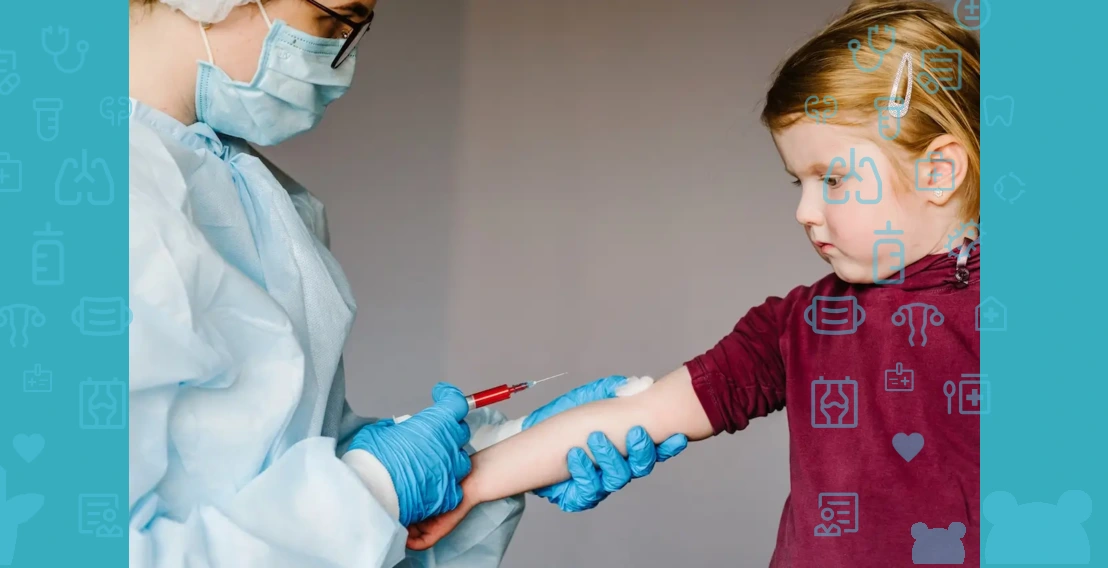
The balance of vitamins and trace elements is a fundamental condition for healthy growth and full development of a child. These substances participate in thousands of biochemical processes that are critically important for bone growth, brain development, the formation of strong immunity and correct metabolism. An objective tool that can detect both a deficiency and an excess of nutrients, which are not always noticeable by external signs, is a blood test .
Why should children be tested for vitamins and minerals?
Vitamin and microelement deficiency negatively affects the functioning of all organs and systems, but the following suffer the most:
- Immunity. Frequent and prolonged infectious diseases occur because nutrients (e.g., zinc, selenium, vitamins D, CA) are involved in shaping the immune response.
- Nervous system and cognitive development. Problems with concentration, memory, delayed psychomotor development, and sleep disorders are observed. In particular, B vitamins and iron are necessary for the normal functioning of nerve cells.
- Bones and muscles. Bone fragility increases, growth slows down, and rickets develops (with vitamin D and calcium deficiency).
- Skin and hair. With a lack of vitamins A, B6, and iron, the skin becomes dry, nails become brittle, and hair begins to fall out.
Tests make it possible to detect a hidden problem before the appearance of pronounced signs or at a stage when symptoms are not yet specific (for example, fatigue, irritability), which allows timely correction to be initiated and complications to be prevented.
Which vitamins and trace elements are most often tested?
The most important elements to monitor are those for which deficiencies are most common: vitamins D, B12, B9 (folic acid), iron, calcium, magnesium, iodine, and zinc.
| Nutrient | Function |
|---|---|
| Vitamin D | Participation in the absorption of calcium and phosphorus, the formation of bones and teeth, and immune support |
| Vitamin B12 | Hematopoiesis, nervous system functioning, DNA synthesis |
| Vitamin B9 | Development of the nervous system, cell division, tissue growth |
| Ferritin/iron | Oxygen transport in the blood (part of hemoglobin), neutralization of harmful substances (detoxification) |
| Magnesium | Muscle and nervous system function, energy metabolism |
| Calcium | The main building material for bones and teeth |
| Iodine | Thyroid function, physical and mental development |
| Zinc | Immune system function, wound healing, protein synthesis, cell division |
In which cases should you check your vitamin levels?
The main indications for checking the level of vitamins and trace elements:
- Increased fatigue (even with minor exertion), lethargy, apathy
- Frequent colds (more than 6–8 times a year), severe course of the disease and long recovery
- Slowed growth, insufficient weight gain (compared to age norms)
- Dry and pale skin, hair loss
- Sleep disturbances: difficulty falling asleep, frequent waking, restless sleep
- Poor appetite, picky eating
- Malnutrition, vegetarian diet
- Delayed physical or mental development
- Muscle cramps, twitching
- Presence of chronic diseases

What tests are used?
Several methods are used to assess the nutritional status of children:
- blood test for vitamins (25OH vitamin D, total vitamin D (D2+D3), vitamins B6, B9, B12, zinc, copper, total calcium, magnesium, iron, phosphorus, ferritin);
- determination of trace elements in blood serum (iron, zinc, magnesium, calcium, zinc, copper, selenium, iodine);
- ferritin test - the main indicator of iron reserves in the body;
- hormone levels to assess calcium absorption – determine the concentration of vitamins D and calcium, as well as the content of parathyroid hormone (increases calcium) and calcitonin (reduces calcium).
The choice of method depends on the clinical picture, the child's age, and the doctor's recommendations.
How to prepare your child for tests
To ensure maximum accuracy of results, you should properly prepare for the examination:
- Blood for vitamins (B12, D, etc.), ferritin, and hormones is taken on an empty stomach from a vein — after 8–12 hours of fasting. For young children, this interval can be reduced to 4–6 hours with the doctor’s approval. It is allowed to drink clean, still water.
- It is recommended to refrain from eating fatty foods 12 hours before taking the test.
- The day before the examination, you should avoid intense physical exertion and emotional stress.
- If the child is taking vitamin or mineral supplements, they should be discontinued a few days before the test, after consulting a doctor.
The child’s psychological preparation is important. Calmly and clearly explain that taking the tests is a short and important procedure. Honestly say that it may be a little unpleasant, but not scary. Use game elements (for example, “brave warrior” or “germ hunter”) and promise a pleasant reward after the procedure — a toy or a walk.
How to understand test results
Only a doctor should interpret the test results, but it is worth knowing the basic concepts:
- Reference values are the range of normal values for healthy people of a certain age and gender. They are listed on the test form.
- Deficiency and insufficiency are different degrees of nutrient deficiency. Insufficiency means that the level is below optimal, but not yet critical. Deficiency is a pronounced decrease that can cause clinical symptoms and requires mandatory correction.
- Excess vitamins. Can be dangerous. Some vitamins (A, D, E, K) can accumulate in the body, reaching toxic concentrations. Hypervitaminosis causes liver, kidney, nervous system dysfunction, and problems with calcium metabolism.
The doctor always considers the results in the context of the child's overall health, symptoms, comorbidities, individual characteristics of the body and lifestyle. What is considered normal for one child may not be sufficient for another.
Why you can't prescribe supplements without tests
Self-administration of vitamin or mineral supplements without supervision carries significant risks:
- Hypervitaminosis and toxicity. Excess intake of some vitamins (especially A and D) can be toxic. Symptoms of poisoning include nausea, headache, bone pain, and liver and kidney dysfunction. In addition, hypervitaminosis D can lead to excessive calcium deposits in blood vessels and organs.
- Imbalance. Taking large doses of one element can impair the absorption or increase the excretion of another. For example, excess zinc and iron can cause a copper deficiency, and excess calcium impairs the absorption of magnesium and zinc.
- Organ stress. High doses of vitamins increase the stress on the liver and kidneys, which are involved in metabolism and excretion of substances.
- Masking problems. Symptoms of deficiency often overlap with the clinical manifestations of other diseases. In this case, taking vitamins can mask the real disease.
Important! Taking vitamin supplements should be prescribed by a pediatrician or family doctor after a thorough diagnosis. Only a specialist can assess which substances a child needs, in what dose and for how long. Self-medication may not only not help, but also harm.
How deficits are corrected
Correction of deficits should be comprehensive:
- changes in diet – include foods rich in the element that is lacking in the diet;
- vitamin preparations - in case of pronounced deficiencies, therapeutic doses of the relevant nutrients are prescribed;
- individual approach – dosage depends on the child's age, degree of deficiency and body weight;
- dosage adjustment – during therapy, the doctor may change the doses of drugs depending on the dynamics of the child’s indicators and well-being.
After 1-3 months, control tests are performed to assess the effectiveness of treatment and adjust therapy if necessary.
Prevention and healthy eating
The best way to avoid deficiencies is to eat a balanced, varied diet. Your diet should include all food groups: meat, fish, dairy products, eggs, whole grains, and plenty of vegetables, fruits, and berries.
It is recommended to stick to seasonality. Fresh local vegetables and fruits in season contain more vitamins than those that have been stored for a long time or were brought from afar.
Foods rich in key nutrients:
- vitamin B9 - spinach, lettuce, broccoli, asparagus, lentils, liver, yeast
- vitamin B12 - meat, fish, eggs, dairy products
- vitamin D - fatty fish (salmon, mackerel), egg yolk, fortified dairy products
- iron - red meat, liver, buckwheat, legumes, apples
- calcium - milk, kefir, cheese, yogurt, broccoli, almonds
- magnesium - nuts, seeds, whole grains, spinach, bananas
- zinc - meat, seafood, pumpkin seeds, nuts
- iodine - sea fish, seaweed, iodized salt
In some cases, preventive vitamin intake may be necessary (for example, vitamin D in winter), but the decision should be made by a doctor.
Risk groups need special attention and regular check-ups – children who:
- are on a vegetarian (vegan) diet
- are excessively picky about food
- suffer from food allergies, which requires strict dietary restrictions
- suffer from chronic diseases
- live in regions with low insolation
Timely diagnosis of the level of vitamins and trace elements is a critically important tool for maintaining the health of a child, especially during the period of active growth and development. Laboratory tests help to detect violations before they lead to serious consequences, and prevent long-term problems and ensure the harmonious development of the child. But it is worth understanding that tests are only part of a comprehensive approach to health, which should include a balanced diet, an active lifestyle, regular check-ups with a doctor and a responsible attitude to specialist appointments. Parental attention and medical support create a solid foundation for a full and happy childhood, as well as a healthy future.